How Retail Discounts Work: Markdowns, Sales, Coupons, and Clearance Prices
Understand key retail pricing terminology including store markdowns, temporary sales, digital coupons, and clearance promotions to find the best deal.
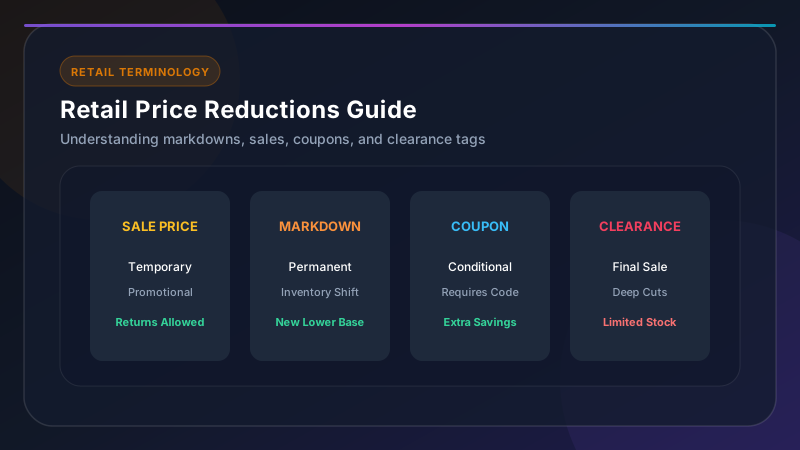
Retail discounts come in many forms. A red sale tag, digital coupon, or clearance sticker may look similar at first glance. Yet each pricing method can work differently. Knowing the terminology helps shoppers compare deals with greater confidence.
What Is a Retail Discount?
A retail discount reduces the regular selling price. Stores may use percentage reductions, dollar amounts, coupons, or promotional offers. The purpose can range from attracting shoppers to clearing older inventory.
What Is a Markdown?
A retail markdown occurs when a retailer lowers an item’s listed price. The reduction may happen because of seasonal changes, excess stock, or an approaching product replacement.
What Is a Sale Price?
The sale price is the temporary amount advertised during a promotion. For example, a $120 jacket might receive a 25% reduction and sell for $90.
What Is a Clearance Discount?
A clearance discount usually signals an effort to move inventory quickly. Clearance products may have limited sizes, colors, or quantities. Return policies can also differ.
How Store Coupons Work
A store coupon provides a specific reduction under stated conditions. It may offer 15% off, $10 off a minimum purchase, or a product specific discount.
Sale Price vs Coupon Price
A sale price changes the listed cost, while a coupon usually requires an additional qualifying action. Some retailers allow both. Others restrict coupon discounts from combining with sales.
What Does “Up to 50% Off” Mean?
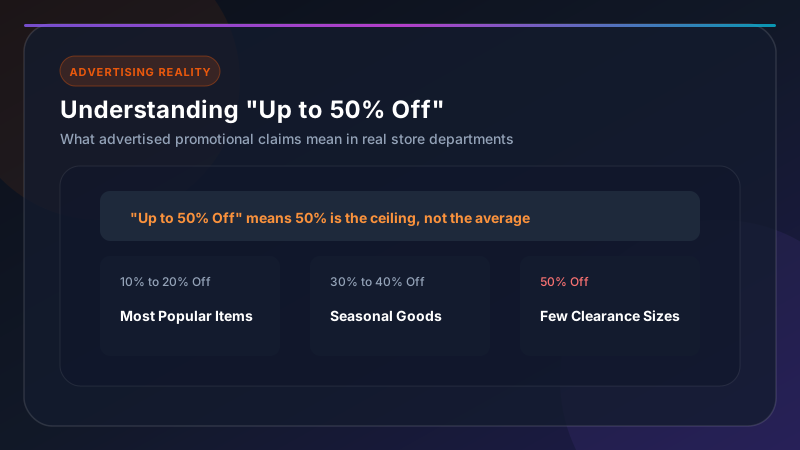
“Up to 50% off” does not mean every item receives 50% off. It means the maximum advertised reduction reaches 50%. Many products may receive smaller discounts.
How Retailers Display Discount Prices
Retailers commonly show the regular price beside the promotional price. Some also display the percentage reduction or dollar savings. Checking the actual numbers can expose differences between seemingly similar promotions.
How to Compare Different Store Deals
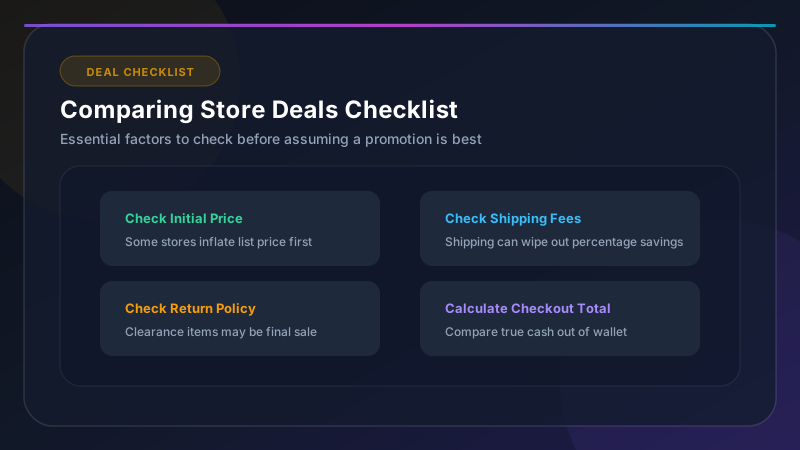
Compare the original price, actual discount, shipping, applicable tax, and final cost. A 30% promotion is not automatically better than a 20% promotion if the starting prices differ.
Calculate the Best Deal Before Buying
A discount calculator can quickly compare competing offers. For example, calculate each store’s price reduction rather than relying on the largest promotional percentage.
Smart shopping is less about chasing flashy labels and more about understanding what reaches the checkout total. The best deal is the one that delivers the lowest worthwhile final cost.
Conclusion
Retail discounts can appear in several forms, from markdowns and clearance prices to coupons and promotional sales. Understanding how each type works makes it easier to compare offers instead of relying only on large discount signs. By checking the original price, sale price, and actual savings, you can identify the best deal and make smarter shopping decisions.